SWEDISH BERRY BASICS - A BEGINNER'S GUIDE TO SWEDISH WILD BERRIES

When: Summer
Where: Swedish forest, along roadsides and on forest edges
What: Berry picking
Every now and then friends ask me how I actually know which berries are blueberries, which ones are lingonberries and, maybe more importantly, how I know what is safe to pick. So this is a beginner's guide to Swedish wild berries.

Honestly? Sweden is not the hardest place to start.
In many places here, the forest floor is basically one endless carpet of blueberry plants and lingon bushes. So my first beginner tip is simple: if you suddenly see a lot of the same berry plant, chances are high you’re looking at one of those two.
Let’s have a closer look.

BLUEBERRY (Blåbär)
If you are imagining the large cultivated blueberries from the supermarket... forget those. Swedish wild blueberries are smaller, darker and much messier (in the best way).
Blueberry plants lose their leaves in winter. During the growing season they have small, thin green leaves, often with tiny rusty-looking spots. In summer you’ll sometimes see patches where there are hardly any leaves left — either because the season is progressing or because berry pickers have been through with a berry scoop and collected more than just berries.

The plants flower in May–June (depending on the weather) with small pink bell-shaped flowers. The berries usually appear from July onwards. They are dark blue with a soft grey-blue dusty layer on the outside. And once you pick them… you know. Wild blueberries burst easily and leave your fingers completely blue. Wear old clothes — those stains are surprisingly stubborn. The taste is unmistakable: fresh, sweet, juicy and intensely blueberry.

LINGONBERRY (Lingon)
Lingon is almost the opposite. Unlike blueberry plants, lingon stays green all year round. The leaves are small, dark green, shiny and much firmer. They are oval shaped and easy to recognise once you know them.
Lingon flowers appear around May–June as well and grow in little clusters of delicate white bell-shaped flowers. The berries usually ripen slightly later than blueberries, although there is a big overlap and you can often pick both in the same season. The berries turn bright red to dark red and are white inside.
They’re not particularly good raw. They have a tart, slightly bitter taste. Cook them with some sugar though, and suddenly they become one of Sweden’s most classic flavours.
Lingon jam appears everywhere: on waffles, next to traditional savoury dishes, like the most famous: with Swedish meatballs. Lingon juice is also commonly served with a Swedish dagens lunch.
Fun fact: dried lingon leaves are traditionally used to make herbal tea in Scandinavia. People have long associated it with digestion and general wellbeing, although these uses mainly come from tradition rather than strong scientific evidence.
OTHER WILD BERRIES YOU MAY FIND IN SWEDEN
These two are probably the most famous and most picked berries in our part of Sweden, but there is more.

Wild raspberries (Hallon)
Forest edges can be full of wild raspberries in summer.
They’re often smaller than cultivated raspberries but packed with flavour. Once you find a good spot, you can sometimes fill a container surprisingly quickly.

Wild strawberries (Smultron)
Tiny strawberry plants with miniature strawberries that taste sweeter and more fragrant than regular strawberries. Almost like a perfume. A true delicacy. Do as the Swedes do and string them on a sturdy stem of grass.

Cloudberries (Hjortron)
These are legendary in northern Sweden.
Golden-orange berries that grow in boggy areas and are highly loved (and highly protected in some places). I don’t have enough experience with them to pretend I know what I’m talking about — but they deserve an honourable mention.

Arctic raspberry (Åkerbär)
This one is not so well known and quite underrated.
Arctic raspberries are small, delicate, almost transparent berries. They grow low to the ground and often hide among grasses and other plants along roadsides, forest edges and sunny clearings. When ripe, the berries turn bright red to deep red and have a soft texture. The leaves are small and divided into three parts, which can help you recognise the plant even before the berries appear.
The flavour is fresh and slightly sweet with a pleasant sour kick.
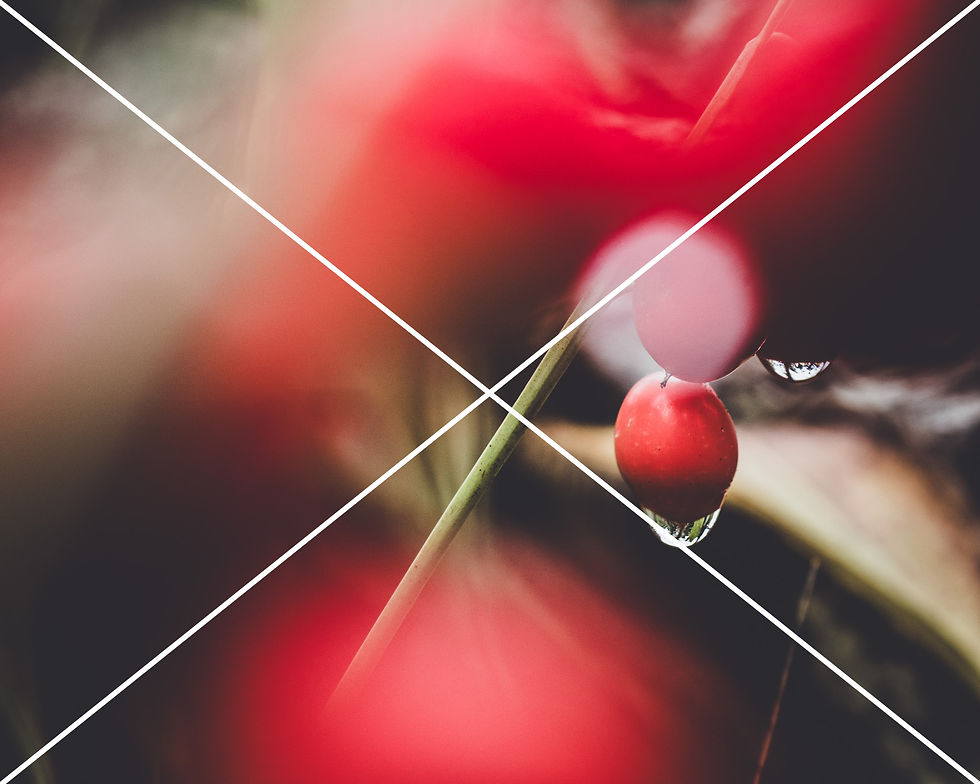
Keep your eyes open though. You’ll often find them near lily of the valley plants. Those orange-red lily of the valley berries may look tempting but they are poisonous and should never be eaten.
BONUS: NOT A BERRY, BUT WORTH KNOWING: WILD GARLIC (Ramslök)
Lily of the valley does have a very tasty lookalike though: Wild garlic. It appears in spring and is considered a real delicacy.
The easiest giveaway that this plant is not lily of the valley is simple: gently crush a leaf between your fingers. If it smells clearly of garlic, you’re probably looking at wild garlic.
The flowers are also very different once you know what to look for. Lily of the valley has fragrant white flowers that hang down like tiny bells. Wild garlic flowers grow in loose clusters of small white star-shaped flowers that point outward, giving them a much more open and airy look. Once you’ve seen them side by side, it becomes surprisingly easy to tell them apart.
I hope this gives you a little more confidence to head out this summer with a basket in your hand. But if you’re ever in doubt: leave it. Better safe than sorry.
Happy foraging!
HELPFUL LINKS
My blog about Swedish allemansrätten: forestjunkie.com/post/allemansrätten
My foraging calendar:
My blogpost about blueberry picking:


Comments